
10 Proven Steps to Plan Efficient Boardroom Meetings in 2026
10 Proven Steps to Plan Efficient Boardroom Meetings in 2026
In 2026, 70% of meetings keep people from doing real work, and 71% of employees say those meetings feel unproductive and inefficient, which is exactly why well planned boardroom meetings have become non negotiable for modern organisations.
Key Takeaways
Question | Short Answer & Tip |
|---|---|
How do we plan an efficient boardroom meeting from start to finish? | Start with a clear purpose, time boxed agenda, focused guest list, and pre reads. Host in a dedicated, distraction free boardroom or conference room that supports comfortable, engaged discussions. |
What is the ideal length for a board meeting? | Most strategic boardroom meetings stay within 90 to 150 minutes, with breaks every 60 minutes. Use shorter sessions for updates, and reserve longer blocks for complex decisions. |
How can we reduce wasted time in board meetings? | Send pre reads 48 hours in advance, assign time limits to each agenda item, and finish every topic with a decision or action list. Protect focus time by moving minor updates to email or async reports. |
Who should be invited to a boardroom meeting? | Invite only those who are decision makers, accountable owners, or critical experts. Support staff can share input beforehand or join only for their segments to keep the room lean and engaged. |
Where should we host high stakes board meetings? | Choose a quiet, premium environment with reliable tech and business support, such as a business hotel with business facilities and meeting services that take logistics off your plate. |
How do we follow up effectively after the meeting? | Share minutes within 24 hours, document owners and deadlines, and review action items at the start of the next boardroom meeting to keep momentum. |
1. Start With the Purpose: Why This Boardroom Meeting Exists
Every efficient boardroom meeting starts with a single, sharp question, such as "What decisions must we leave this room with today?". When we are planning for our corporate guests in 2026, we encourage them to define the purpose of the session before they even think about dates and invitations.
A good board agenda does not try to solve everything in one sitting. It focuses on 2 to 4 high impact topics that truly require face to face discussion and collective judgement.
To clarify purpose, write one line that completes this sentence: "This boardroom meeting will be successful if...". Use that line as your anchor when you plan the flow, invite attendees, and brief presenters.
Anything that does not serve this purpose belongs in a side meeting, a written update, or a later date. This simple discipline alone removes a surprising amount of noise from busy leadership calendars.
2. Design a Time-Boxed Agenda That Protects Focus
In 2026, 68% of employees say they do not get enough uninterrupted focus time, so your agenda needs to respect every minute your board members give you. We like to think of the agenda as your contract with the room, clear, honest, and realistic.
A simple structure works best:
Welcome and purpose (5 to 10 minutes)
Strategic topics and decisions (60 to 90 minutes, split by item)
Risk and compliance updates (15 to 20 minutes)
Open discussion and AOB (10 to 20 minutes)
Recap of decisions and actions (10 minutes)
Assign a time box to each item and add the objective beside it, for example "Approve Q3 investment plan" or "Align on 3 year expansion markets". Share this agenda at least 72 hours in advance to give everyone time to prepare.
During the meeting, it helps to nominate a timekeeper who can gently flag when an item is running over. We see that board chairs appreciate this role because it lets them focus on guiding the discussion rather than watching the clock.
3. Choose the Right Boardroom Environment and Layout
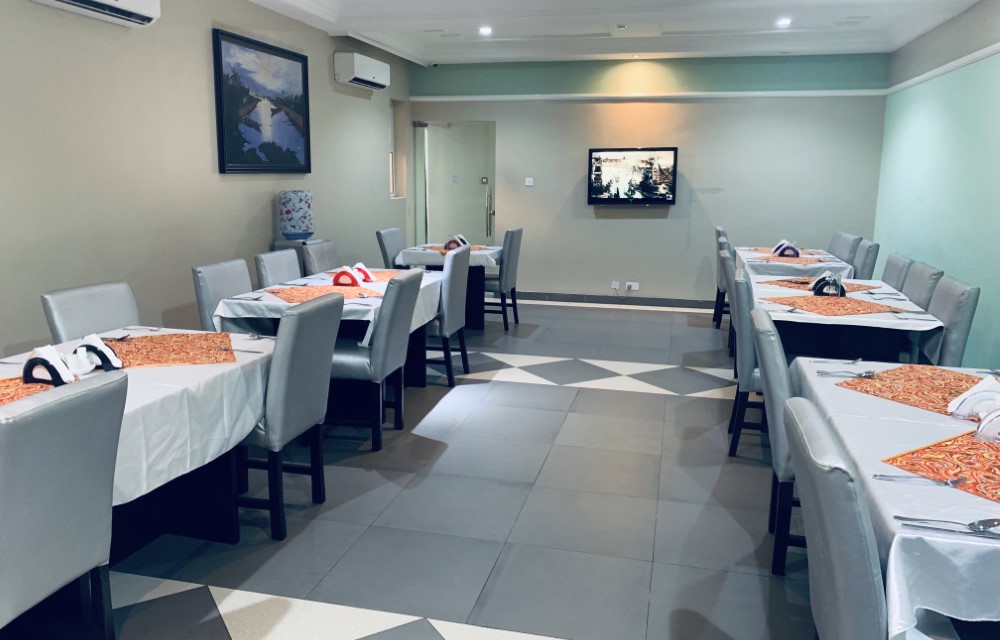
The space you choose has a quiet but powerful impact on how focused and open your board becomes. Comfortable seating, steady air conditioning, natural light, and acoustic privacy all help people stay present for longer strategic sessions.
When we host board meetings, we find that a classic boardroom layout works best for decision focused gatherings. Everyone sits around one table, with clear eye contact and equal access to materials and screens.
If the agenda leans toward workshops or innovation, a U shape or cabaret layout can prompt more interaction without losing structure. Either way, make sure every seat has a clear view of the main display to avoid side conversations or disengagement.
Do a quick test run before your guests arrive. Check that the screen connects in seconds, the conference phone works, and the room temperature feels comfortable, so your board can start smoothly instead of wrestling with HDMI cables.
A concise, five-step infographic to plan efficient boardroom meetings, from agenda to follow-up. Use it to streamline prep, allocate time, and drive productive discussions.
4. Send Smart Pre-Reads and Clarify Expectations
In 2026, unproductive meetings still cost executives over 5 hours per week, and a big reason is that people arrive unprepared. The cure is simple, thoughtful pre reads that respect your board's time.
As a rule of thumb, keep pre reading to what can be reasonably reviewed in 30 to 45 minutes. Anything longer risks being ignored, which then slows down the live conversation.
Structure your board pack so that it includes:
One page summary with purpose, agenda, and key decisions requested
Supporting data in appendices, clearly labelled and easy to skim
Specific questions you want the board to consider ahead of time
Send these materials at least 48 hours before the meeting. When we support corporate guests, we often help them print and organise copies, so every seat is laid out neatly before the first director walks into the room.
Did You Know?
In 2026, 68% of employees say they don't have enough uninterrupted focus time during the workday, and up to one-third of meetings are likely unnecessary, which is why moving minor updates into concise pre-reads can instantly improve boardroom efficiency.
5. Curate the Guest List and Assign Clear Roles
Efficient boardroom meetings stay lean. Every person in the room should know exactly why they are there and what they are expected to contribute.
Use a simple framework when you finalise your list:
Decision makers who approve or reject proposals
Accountable owners who will drive actions after the meeting
Subject matter experts who provide essential insight
Facilitator and timekeeper to guide the flow
Note taker to capture decisions and actions in real time
Support staff, observers, or wider teams can join specific segments only. This keeps the atmosphere focused and respectful of senior leaders' time while still letting others contribute where it matters.
We often see that smaller, better prepared rooms make faster decisions and leave with clearer ownership, while overcrowded meetings invite side conversations and slow debates.
6. Use Technology Wisely Without Letting It Distract
Technology should quietly support your boardroom meeting, not steal the spotlight. The basics are simple but essential: stable internet, a reliable screen, smooth video conferencing if needed, and easy charging points for devices.
Before your guests arrive, test everything from presentations to sound levels. It is far easier to fix a cable or adjust a microphone an hour before your meeting than in front of your board chair.
In 2026, many boards are also using generative AI tools to summarise pre reads, draft decision options, or pull quick scenario analysis. These tools can reduce time spent reviewing data inside the meeting, so members can focus on judgement and strategy.
At the same time, we recommend setting simple etiquette for devices. For example, you might ask members to keep laptops closed unless they are presenting or taking notes, which keeps the room more present and engaged.
7. Build in Comfort: Breaks, Refreshments, and Accommodation
Board members think more clearly when they feel rested and looked after. Planning for simple comforts is not a luxury, it is a practical part of running an efficient day.
For sessions longer than 90 minutes, include at least one 10 to 15 minute break. Use this pause for refreshments, quiet calls, or a quick reset, and your second half will feel fresher and more focused.
For out of town directors, booking rooms in the same hotel as your boardroom keeps logistics smooth. They can arrive the night before, get a proper night's sleep, and walk straight into the morning session without commuting stress.
We host many leadership teams who combine a full board agenda with overnight stays in our penthouse and suites, which turns a busy agenda into something more comfortable and seamless.
Did You Know?
In 2026, 64% of event planners expect budgets to rise 5–14%, and 63% are actively chasing savings that do not dent attendee experience, which makes well-planned, high-value board meetings more important than ever.
8. Facilitate Focused, Respectful Discussion
Even the best agenda can fall apart if the facilitation is weak. The chair or facilitator sets the tone for how people interact, how conflicts are handled, and how decisions are reached.
A few simple habits help greatly:
Start on time and recap the purpose in one or two sentences
Remind the room of the expected outcomes for each agenda item
Invite quieter voices to speak and gently manage anyone who dominates
Summarise the discussion before moving to a decision
We often see that the most efficient boardroom meetings are also the calmest. There is room for challenge and debate, but it sits inside a respectful and time aware structure.
If a topic becomes too detailed or emotional, suggest a side meeting for the relevant people and bring a concise recommendation back to the board at a later date. This keeps the main room focused on what only they can do together.
9. Close With Decisions, Actions, and Owners
The final 10 to 15 minutes of your boardroom meeting are just as important as the first. This is where conversations turn into clear commitments.
Before anyone leaves the room, quickly review:
Decisions made with simple wording that can be copied into the minutes
Actions agreed with one named owner and a realistic deadline
Items parked for future meetings, including next steps and owners
Many boards appreciate seeing this list live on screen as it is captured. It prevents confusion later and supports a culture of accountability.
We have noticed that meetings which end with a crisp recap feel more satisfying, and executives walk out knowing exactly what will happen next instead of wondering what was actually agreed.
10. Follow Up Fast and Review Your Meeting Rhythm
Efficient boardroom meetings do not end when people leave the table. The quiet follow up in the next 24 to 72 hours is where momentum is either kept or lost.
Share minutes within one business day, while discussions are still fresh in everyone's mind. Keep the document short and structured, with sections for decisions, actions, and key discussion points.
Set up a simple tracker for board actions so you can review progress at the start of the next meeting. This reinforces that commitments matter and helps you spot patterns, such as items that repeatedly roll over.
Every few months, ask your board for quick feedback on the meeting format, materials, and venue. We often host recurring boards that adjust their agenda length, catering, or timing based on this feedback, which keeps each session feeling sharper and more valuable.
Conclusion
Planning efficient boardroom meetings in 2026 is less about doing more and more about doing the right things with intention. A clear purpose, focused agenda, curated guest list, and thoughtful environment work together to turn hours around the table into confident decisions and practical actions.
When we host leadership teams, we see how much calmer and more productive their days become when logistics, comfort, and technology are quietly taken care of. With a simple, disciplined approach like the one above, your next boardroom meeting can feel less like a drain and more like a purposeful, well spent part of your strategy.
About Us
Msquare Hotel is located in Ikeja GRA Lagos state, with comfort and style where sophistication and attitude seamlessly blend with timeless design. We are the definition of crisp, clean and modern in the hospitality space.


Navigation
Msquare Hotels
-
34A Remi fani kayode avenue, GRA Ikeja, Lagos, Nigeria - 100271